
Moving medical equipment takes more planning than a standard office move. Healthcare offices, clinics, treatment spaces, and labs often have equipment that is sensitive, expensive, bulky, or difficult to handle without the right process in place. Our medical equipment moving services help businesses relocate with a clearer plan, safer handling, and less disruption along the way.
Whether you are moving a small medical office, reworking a treatment space, or coordinating a larger commercial relocation, we focus on making the process more organized from the start. That includes planning for access, protecting delicate equipment, and ensuring everything arrives at its destination.
Having professional medical equipment moving services can be more important than you assume, as these projects often entail more than just loading items into a truck. Many pieces demand special care, specific handling procedures, and a detailed plan for packing, transportation, and delivery. Sometimes, the move must also align with a larger business relocation, which involves strict timelines and little margin for delays.
That is where experience matters. We help clients create a smoother move by planning for the details that often cause problems later, such as narrow hallways, elevator reservations, loading access, room-by-room delivery needs, and the order in which equipment should arrive. When those details are handled early, the move tends to stay more controlled and easier to manage.
As a full-service commercial moving company, we understand how to coordinate moving parts across a larger project. Medical moves often involve not just equipment but also office furniture, storage needs, supplies, and support spaces, all of which need to come together on the same timeline. Our goal is to make that process feel more manageable for your team.
Not every medical move looks the same. Some involve only a few large pieces, while others include a full office transition with exam rooms, storage areas, administrative workstations, and treatment spaces.
Items that often require a more specialized moving approach include:
Even equipment that does not seem especially fragile may still require extra care due to its weight, shape, finish, or placement requirements.
That is why we do not treat these projects like a standard office move. We build the plan around the equipment, the building, and the overall relocation needs.
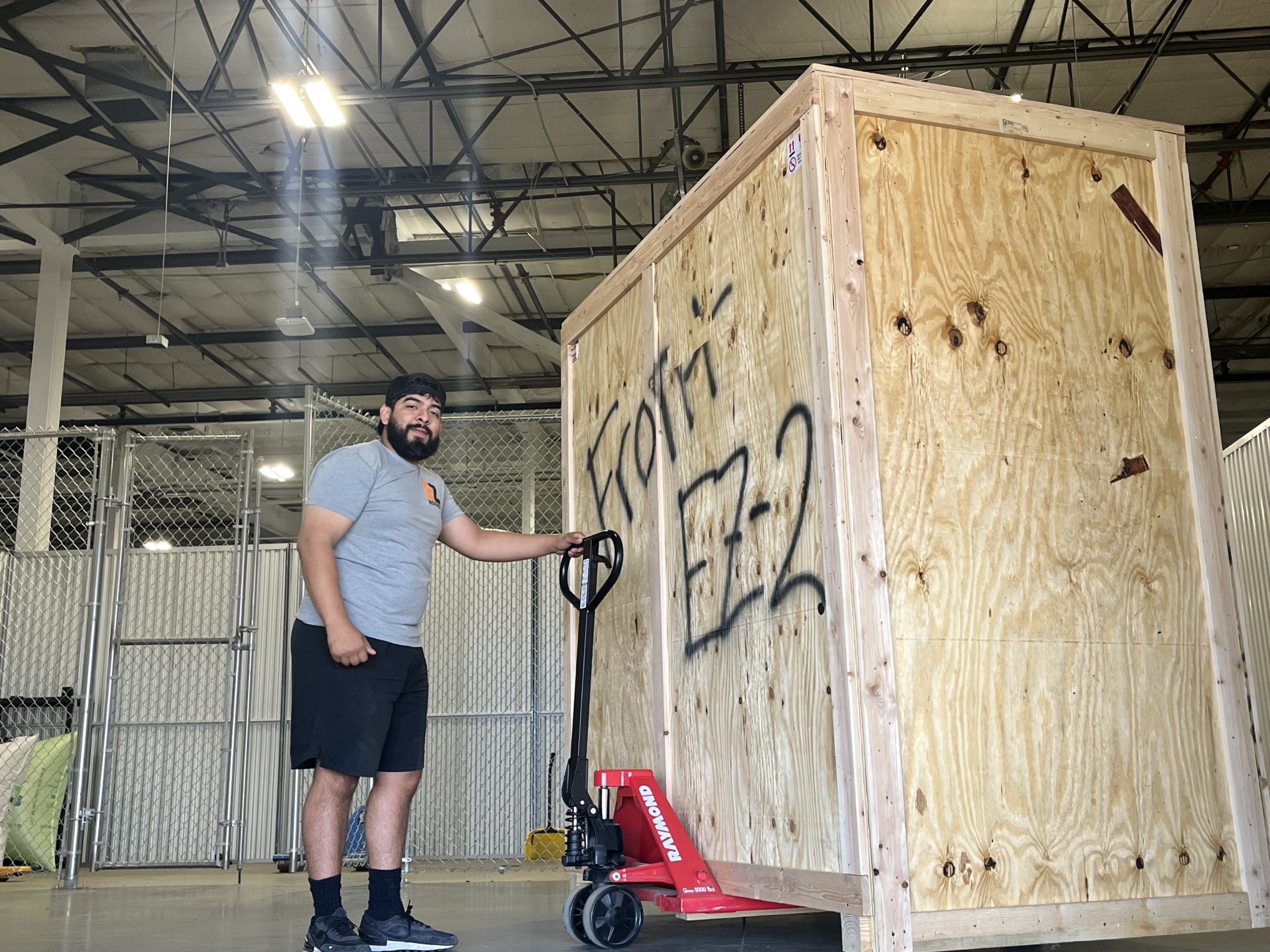
Our medical equipment moving services are built around planning, protection, and coordination. We adjust the process based on the type of equipment involved, the scope of the project, and the schedule you need to meet.
We begin by clarifying the entire move process. This includes understanding what items are being moved, their destination, available access points, and the required timing. We also consider important details such as loading zones, elevator access, building regulations, parking permissions, and any scheduling limits at both locations.
If your project needs flexibility between move-out and delivery, we can also coordinate commercial warehousing and storage as part of the plan. That gives businesses a practical option when equipment, furniture, or related items cannot go directly to the final destination right away.
Once we understand the move, we evaluate the items involved and identify any special handling requirements. Some equipment needs extra padding, more careful lifting techniques, or a specific sequence for loading and unloading. Other items might require coordination with your internal staff or outside vendors before they are ready to be moved.
This stage helps us avoid preventable issues on moving day. It also gives your team a better idea of how the move will be staged and what preparations need to be made in advance.
Proper protection is essential during a medical move. Sensitive equipment requires more than basic supplies. We choose appropriate materials based on each item’s size, shape, and surface to keep it secure during handling and transport. We also protect the environment by safeguarding doorways, hallways, floors, and work areas. A careful, clean process ensures the move is efficient and minimizes damage to equipment and property.
When moving day arrives, we concentrate on careful handling and organized transport. Our crews load equipment strategically to keep items secure during transit and ensure they arrive in the correct order whenever possible. For larger projects, this might include staging different categories of items, so the destination site stays organized.
Safe transport is not just about reaching the new location. It is about making sure the equipment arrives in good condition and is ready for the next step in the project.
Delivery is as important as pickup. Once the equipment arrives, we place it as planned, so your team doesn’t need to move things afterward. Proper room placement, sequencing, and coordination reduce confusion and ease the transition. If the move includes office furniture, support areas, or extra contents, we can coordinate this alongside medical equipment for a smooth, organized process from start to finish.
Good preparation makes a medical equipment move easier for everyone involved. Before moving day, it helps to organize a few key details.
Begin with a detailed inventory that includes:
Next, verify who is responsible for preparing items before the move, such as:
You should also review access at both locations, including:
Sharing this information early helps us plan the right crew, equipment, and timeline for your move.
If your relocation also involves clearing out workstations, outdated furniture, or unused office contents, planning for office furniture removal at the same time can help simplify the project. Combining services where it makes sense can reduce extra steps and keep your move more organized.
Our medical equipment moving services are designed for businesses that need a careful, organized, and straightforward process. We know these projects require more coordination than a basic move, and we approach them with attention to detail, clear communication, and a practical plan from day one.
At EZ Moving, we want clients to feel confident in the crew handling their move and confident that the project will stay on track. If you are planning a healthcare office move, equipment relocation, or a broader commercial transition, we are ready to help you build a process that protects your equipment and supports a smoother move overall.